Sheinbaum Accuses U.S. of Political Motives in Decision on AIFA Flights
President Claudia Sheinbaum rejected the U.S. Department of Transportation (DOT) decision, issued on October 28, to cancel flights from Felipe Ángeles International Airport (AIFA) to the United States, stating that the measures “have no basis” and may respond to “political or corporate interests.”
“We do not agree with the Department of Transportation’s decision,” the president said during the Mañanera del Pueblo press conference on October 29.
Sheinbaum explained that, according to the DOT, the decision was based on two elements: a decree by former President Andrés Manuel López Obrador to transfer dedicated cargo operations from Mexico City International Airport (AICM) to the AIFA, and the redistribution of flight slots at the AICM. Both issues, she said, “originated long ago and have been addressed promptly,” along with other requests made “months ago” by the U.S. Department of Transportation.
The head of state emphasized that relocating cargo operations to AIFA was a sovereign decision tied to civil protection, due to the overcrowding at Mexico City Airport, which, she asserted, posed risks to passengers and users.
“All the companies that moved to AIFA are happy. They have more space, more security for container handling, and not a single company has filed a complaint,” she said during her morning address.
In response, Sheinbaum instructed Foreign Affairs Secretary Juan Ramón de la Fuente to request a meeting with U.S. Secretary of State Marco Rubio and Transportation Secretary Sean Duffy “to review whether these actions have any basis —which, from our perspective, they do not— and to discuss these unilateral measures. There may be other types of interests at play, possibly political ones or those favoring certain companies, even U.S. companies.”
“Mexico is nobody’s piñata. Mexico deserves respect,” Sheinbaum emphasized. “So far, we have achieved great respect from different U.S. government institutions, including the highest one —the Presidency of the United States. President Trump and I have established a good understanding.”
The president also stated that she had asked Andrea Marván, chair of the National Antitrust Commission, to conduct a technical analysis of the case to support Mexico’s position in response to the allegations made by the U.S. Secretary of Transportation.
The federal government announced that, alongside diplomatic efforts, it will continue to defend AIFA’s operations and the aeronautical planning policy as part of its strategy to ensure operational safety, logistical efficiency, and fair competition within the Mexico Valley airport system.
Related: Sheinbaum Reveals U.S. Companies’ Involvement in Fuel Smuggling Network
More from Politics
All stories →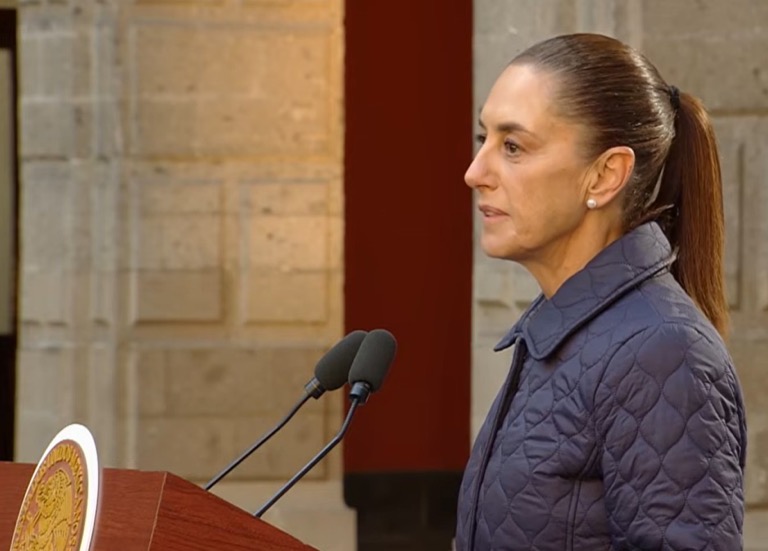
Sheinbaum Celebrates Mexican-American Victories in California and Texas
President Claudia Sheinbaum Pardo celebrated the election of Xavier Becerra as governor of California and Gina Hinojosa as governor of Texas, and stressed that both victories reflect the presence of Mexican-American people in U.S. political life.
U.S. Elections Are Key to Mexico's Strategy, UNAM Experts Say
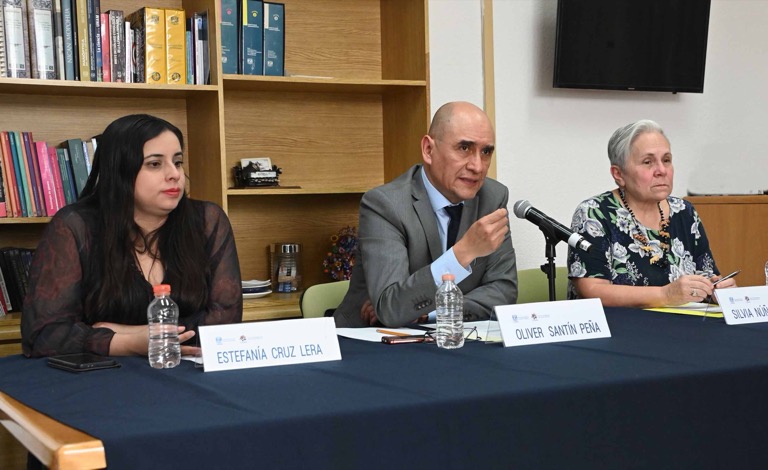
Mexico should maintain a long-term strategy and strengthen its ties with both Republicans and Democrats, regardless of the outcome of the U.S. midterm elections on November 3, specialists from the Center for Research on North America (CISAN) at the National Autonomous University of Mexico (UNAM) said.
Brazil elected Lula and ignited hope against the far right
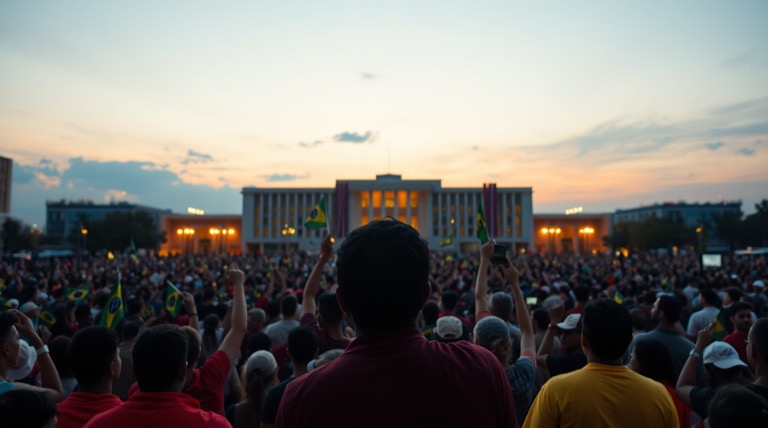
Brazil elected Lula, and with that a moment of hope opens for those who feared the advance of the far right.