Chiapas textile lab gives Maya weavers a workshop to preserve heritage
The Maya World Textile Center in Chiapas opens a conservation lab for its 3,400 pieces, giving Maya weavers new tools to protect their craft.
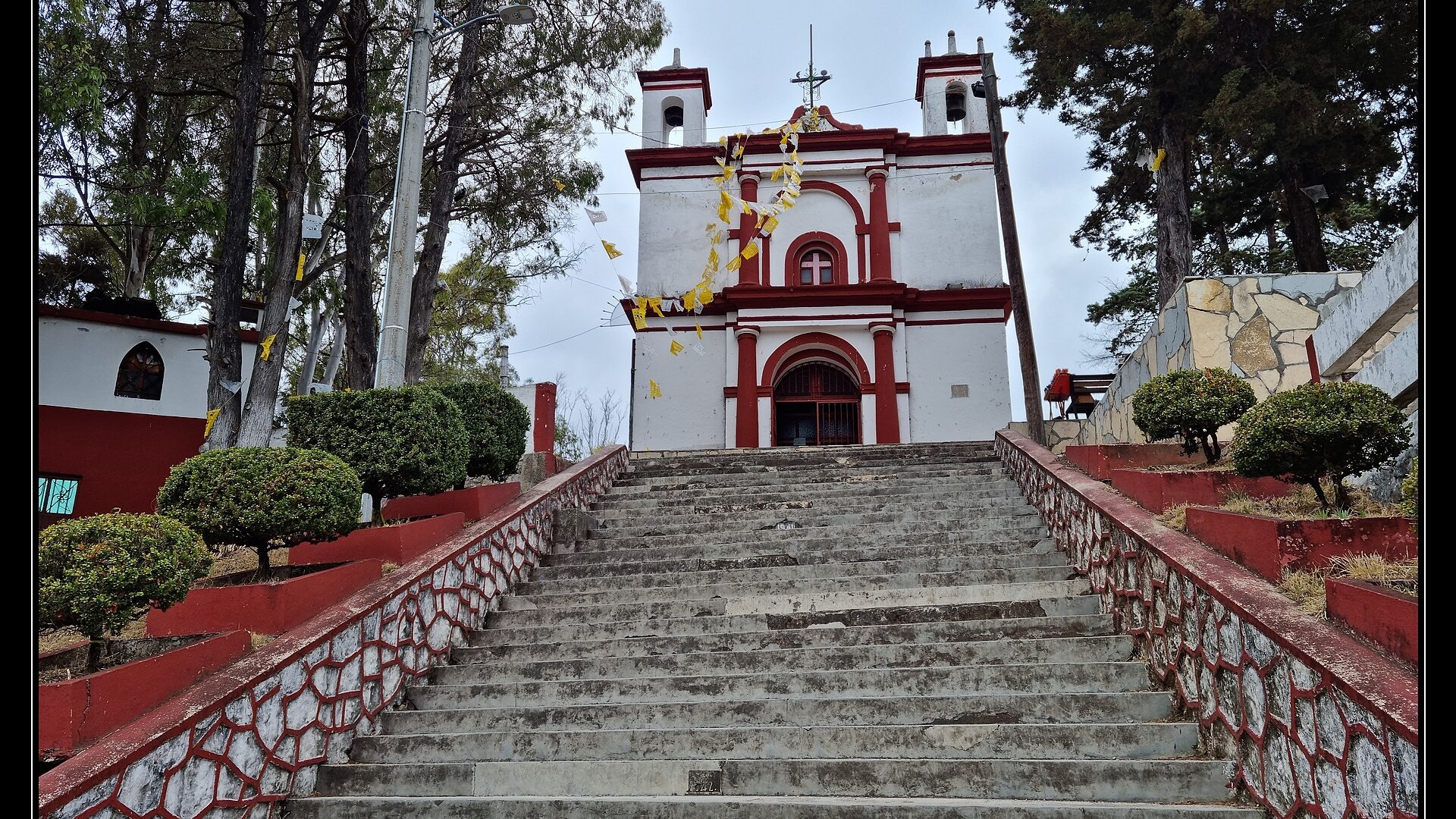
The Centro de Textiles del Mundo Maya, or Maya World Textile Center, in San Cristóbal de las Casas, Chiapas, opened a conservation and restoration laboratory in mid-October to treat its 3,400-piece collection of Indigenous clothing and textiles, one of the largest assemblages of Maya weaving in the world.
The lab occupies the upper floor of the Ex Convento de Santo Domingo de Guzmán, the colonial building that has housed the center since 2012. La Jornada reported on Oct. 17 that Fomento Cultural Banamex, the bank's nonprofit arm for crafts and heritage, supplied specialized equipment, including a fumigation chamber described as the only one of its kind in Chiapas. Fundación Diez Morodo, founded by former Grupo Modelo executive Valentín Diez Morodo, helped fund staff and additional equipment, Mexico News Daily reported. The center says it has received more than 342,000 visitors since opening, and its garments now serve as a record for Mexican American families whose roots run through the Chiapas and Guatemalan highlands.
The facility includes a washing tank, a drying table and worktables for inspection and registration. Staff can remove stains, reinforce worn areas and identify fibers and weaving methods. Though built for textiles, it can also treat wool, cotton, wood, ceramics, leather, lacquers, plant fibers and photographs, Crónica reported. Restorer Isabel Marván Barradas leads the work, and two apprentices who speak Tsotsil and Tseltal are training in handling, documentation and preventive conservation. The four collections share the building with the Museum of the Chiapas Highlands.
The opening comes as Indigenous communities press separate claims over the knowledge behind their crafts. In San Andrés Larrainzar, Tsotsil weavers organized through the Jolom Mayaetik cooperative have catalogued 208 textile symbols with their names and meanings, though members say the copyright covers the research rather than the designs. In Oaxaca, officials began registering traditional huarache designs from Villa Hidalgo Yalálag after Adidas and designer Willy Chavarria apologized in 2025 for a sandal developed without the community. Female textile artisans in Mexico earned an average of 3,699 pesos, about US$200, a month, compared with 7,399 pesos for men, Animal Político reported in August, citing national employment data.
The laboratory is designed to keep more pieces available for research and exhibition and to train specialists who speak the languages of the communities that made them. The center is open in the former convent on 20 de Noviembre Avenue in San Cristóbal de las Casas.
Sources: New Chiapas lab repairs and protects Indigenous clothing, helping to preserve a valued tradition · Chiapas: inauguran Laboratorio de Conservación para resguardar más de 3 mil piezas textiles mayas · Inauguran laboratorio en Chiapas para conservar más de 3 mil textiles del mundo maya
This story was written with the help of artificial intelligence from verified sources and reviewed by a human editor before publication.
More from Culture
All stories →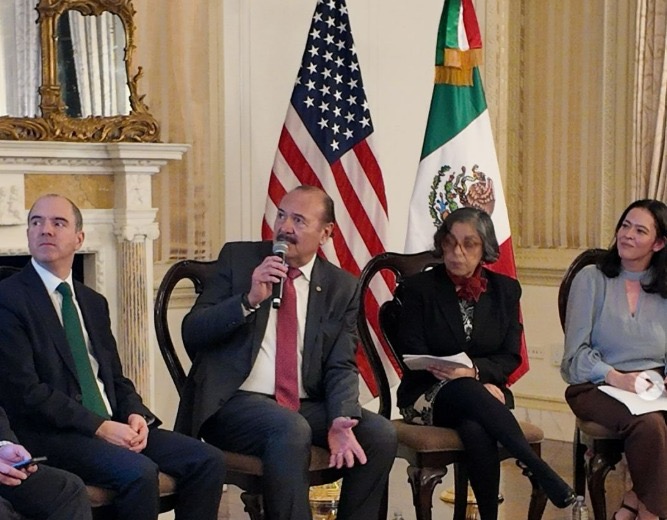
Mexico and New York Look to the Future from Two Centuries of Consular History
The Consulate General of Mexico in New York marked its 200th anniversary with a panel discussion on the history and prospects of the economic and cultural relationship between Mexico and the Big Apple, held in collaboration with Americas Society/Council of the Americas (AS/COA).
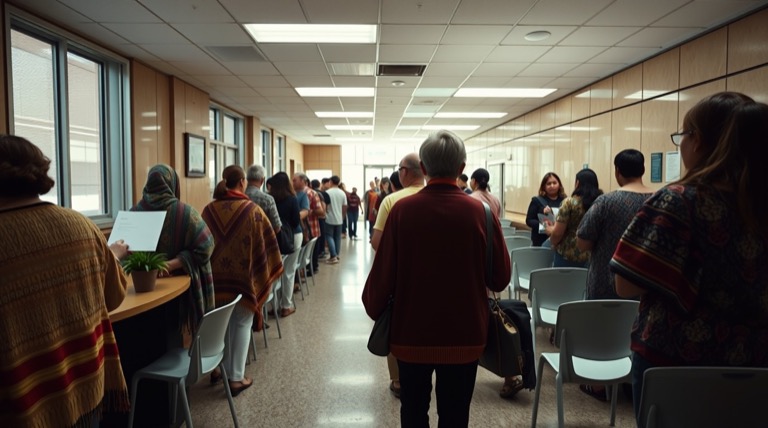
Mexican Foreign Service accepts Indigenous languages for the first time to strengthen consular services in the United States
The Ministry of Foreign Affairs (SRE) opened the Mexican Foreign Service entrance competition for the first time to those who speak an Indigenous language, in order to strengthen support for Mexican nationals in the United States, where close to 40 million people of Mexican origin live, according to the EFE news agency.

"A feminine ritual": Pollen confronts grief at WOMB Mexico
The work of Erawa and Joui is seed and womb of powerful artistic experiences