The River Two Economies Share
The dispute over Colorado River water is not just a legal fight between states: it is a matter of binational competitiveness.
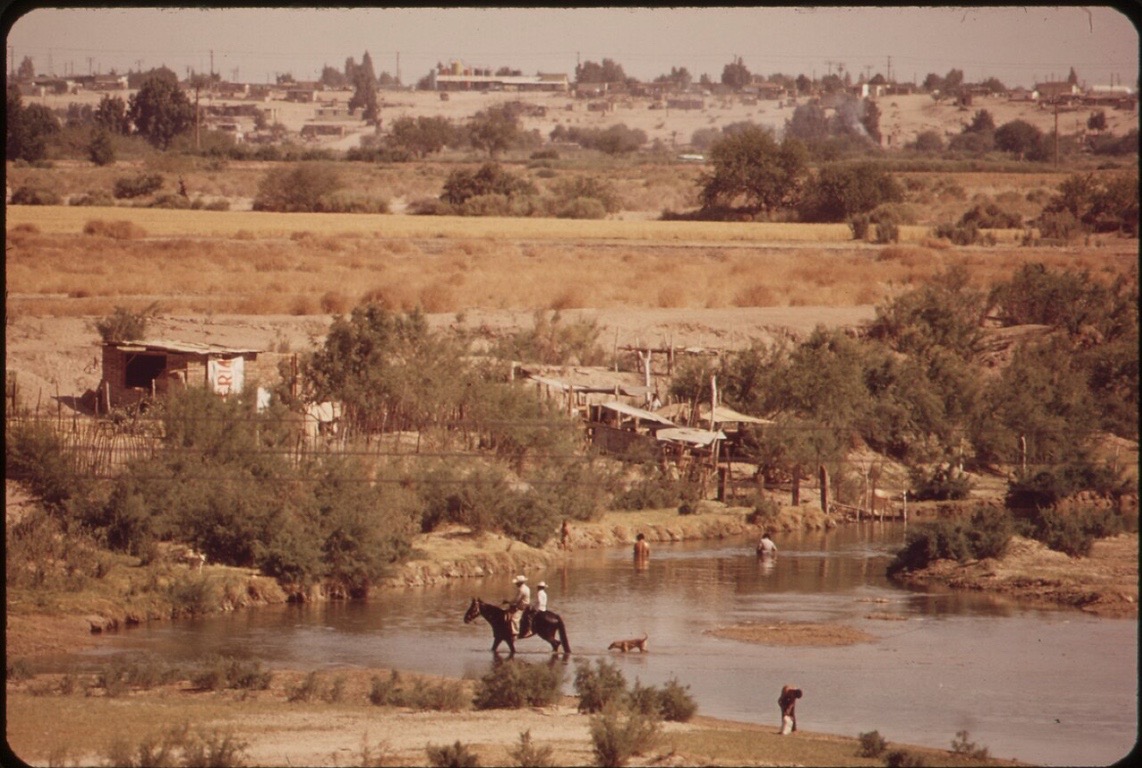
When people talk about the relationship between Mexico and the United States, the conversation usually turns to tariffs, cars and remittances. But there is an input that sustains much of that shared economy and that is now in short supply: water from the Colorado River.
On October 16, Arizona joined Nevada's lawsuit against the federal plan that allocates 1.25 million acre-feet in annual cuts among the lower-basin states. Mexico, by contrast, has already assumed its share: under Minute 334, signed on September 2, it agreed to cut 250,000 acre-feet, roughly 17%, of its allocation for 2027 and 2028.
The figure is not abstract. Most of that water irrigates the Mexicali Valley, an agricultural region closely tied to the U.S. market. Less water means fewer planted hectares, less farm employment and, eventually, pressure on food prices on both sides of the border.
That is the central point: scarcity will not be resolved in state courts. While the states litigate, agriculture in both countries faces the same river with less flow. Mexico and the United States should treat water for what it is, a matter of regional competitiveness as relevant as the T-MEC rules of origin. Investing jointly in technified irrigation, reuse and monitoring costs less than a lost harvest.
The Colorado River does not recognize borders. Neither should the way we manage it.
More from Economy
All stories →
Mexico Senate raises 2027 tourist entry fee to 1,158 pesos
Mexico's Senate approved a 17.8% rise in the foreign tourist fee to 1,158 pesos for 2027, part of a budget package allowing 1.7 trillion pesos in borrowing.
Grupo México plans $4 billion to $6 billion expansion at US copper unit Asarco
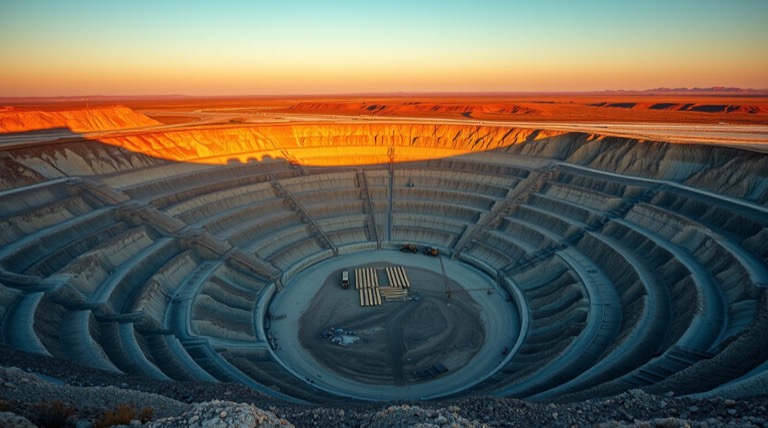
Grupo México will invest $4 billion to $6 billion over three years to expand Asarco's Arizona copper mines and restart the Hayden smelter and refinery.
The investment that anticipates growth
A 9% increase in investment says more than the figure suggests. In economics, some indicators describe what has already happened and others anticipate what is to come; investment belongs to the second group and is the best indicator of sustained growth.