Mexico Bans Imports of Vehicles That Don’t Meet Environmental Standards
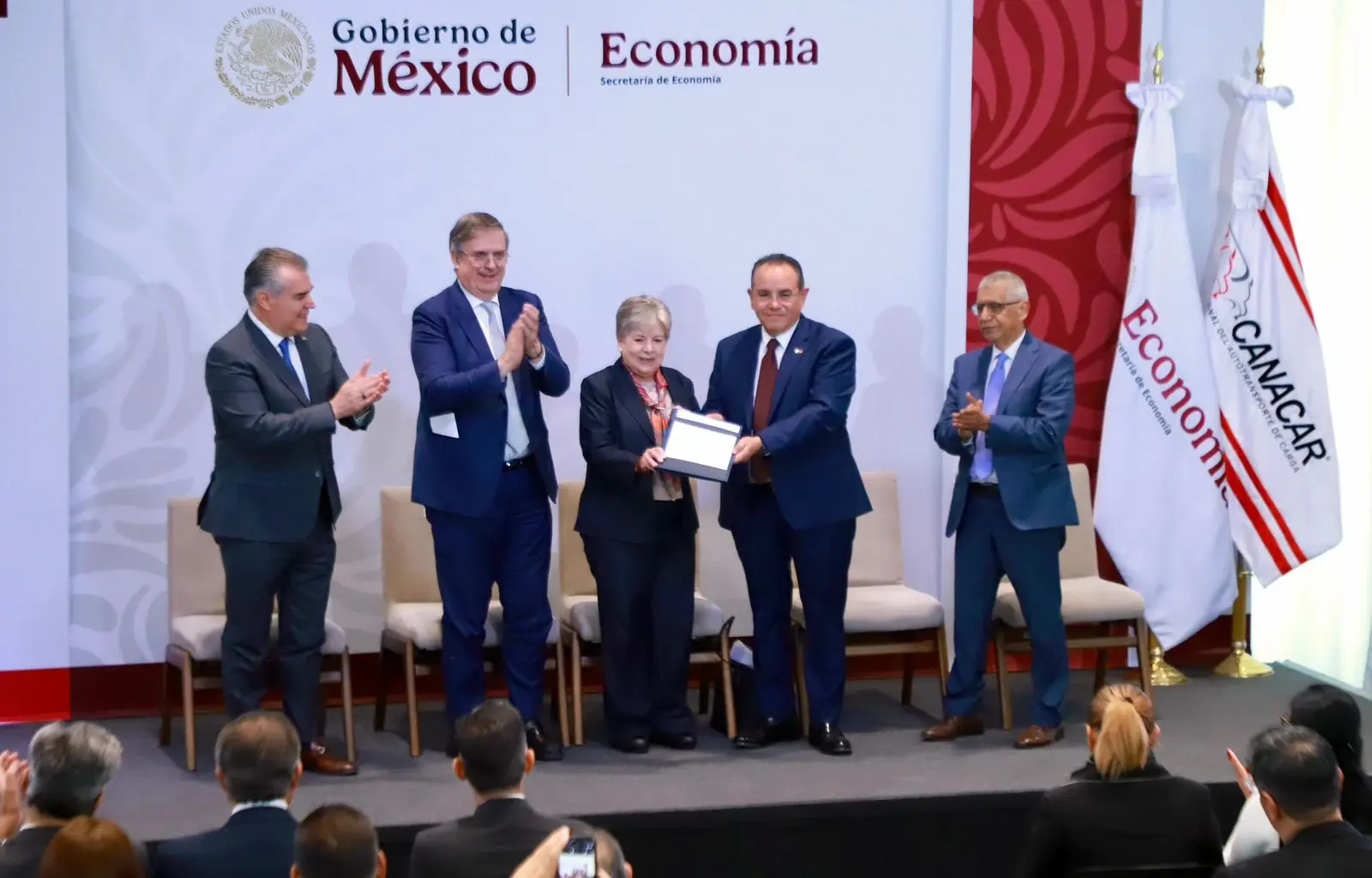
The Ministry of Environment and Natural Resources (Semarnat) and the Ministry of Economy announced an agreement prohibiting imports of vehicles that fail to comply with Mexico’s environmental regulations, as part of a measure aimed at reducing pollution caused by outdated diesel engines.
The agreement, signed by Semarnat Minister Alicia Bárcena Ibarra and Minister of Economy Marcelo Ebrard Casaubón on Tuesday, coincides with the decree published in the Federal Official Gazette (DOF), which stipulates that no used heavy vehicle with a gross weight exceeding 3,857 kilograms, equipped with a diesel engine, and more than 10 years old may be imported into the country.
During the event, Ebrard explained that the agreement has two primary objectives: “First, not to allow any vehicle, under any circumstances, to enter Mexico if it does not comply with the standards we require of Mexican manufacturers. It cannot and must not be allowed — it is not acceptable,” the Minister stated.
The second provision requires importers to declare under oath that the vehicle’s engine has not been altered or modified, a claim that may be subject to inspection by authorities.
The decree published in the DOF emphasizes: “Allowing the entry of vehicles with engines designed in violation of applicable standards would represent a setback in the implementation of public policies to improve air quality in the country.”
According to Ebrard, the measure will improve air quality and protect public health, as diesel-powered vehicles are a major source of fine particulate emissions.
“We’re going to see an improvement in the country’s environmental conditions. It’s a measure with an immediate impact because diesel is linked to fine particles that are extremely harmful to our health. So, this has a direct, positive, useful, and sensible effect on public health,” he emphasized.
Bárcena explained that the agreement had been under discussion for a year and represents a crucial step toward environmental sustainability.
“Although diesel vehicles account for only 5% of the total vehicular fleet, they generate 61% of pollutants,” Bárcena explained.
The Minister added that this decision is in accordance with Mexico’s international commitments to reduce emissions and advance in the transition toward cleaner, more sustainable mobility and are in line with the Sustainable Development Goals (SDGs) and the multilateral environmental agreements signed by the country.
Related: EU and Mexico strengthen cooperation in clean energy and circular economy
More from Environment
All stories →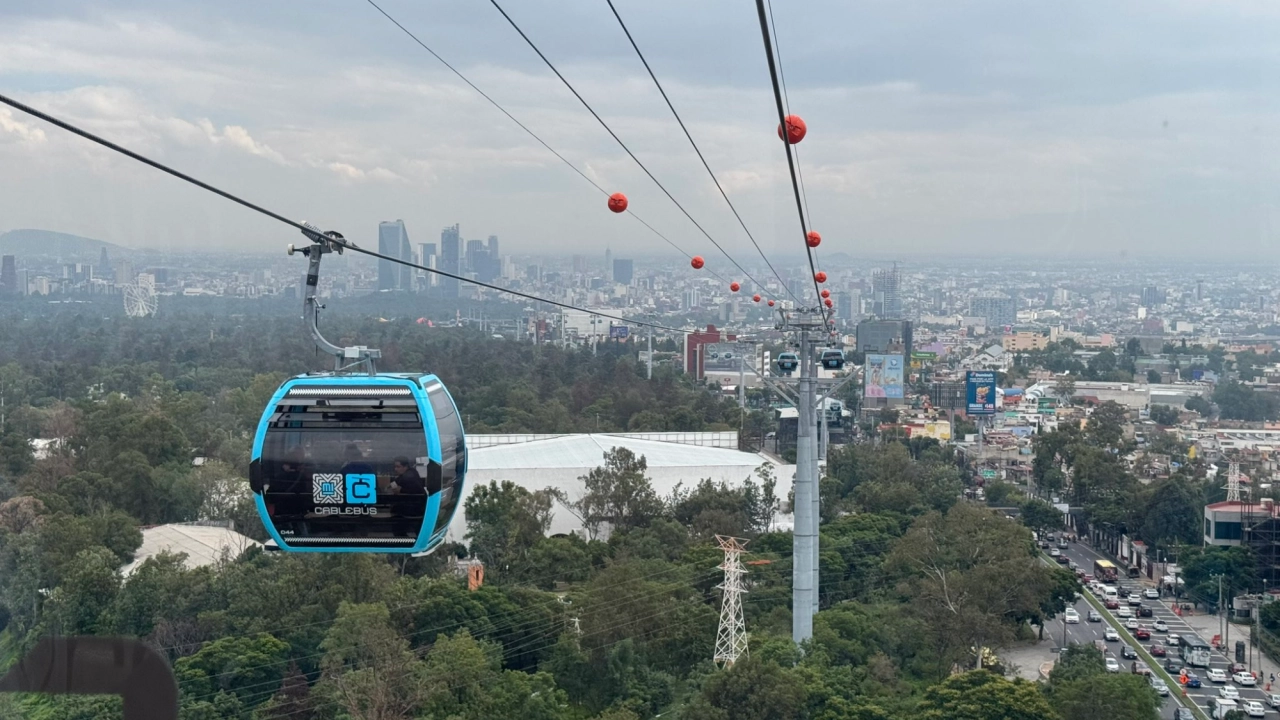
Cablebús against "time poverty"
Three new lines for the outskirts of Mexico City
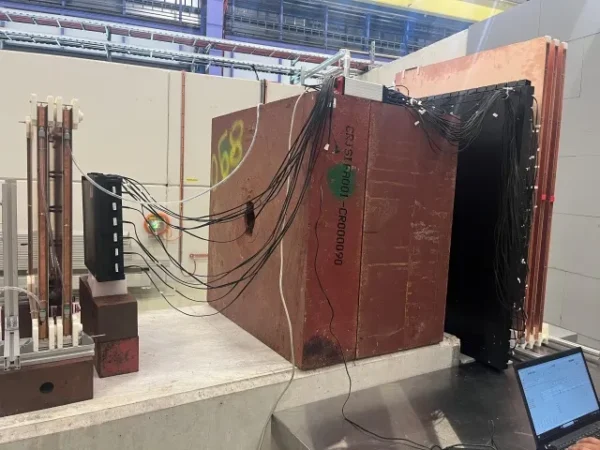
Mexican Detector Seeks to Make History at the Large Hadron Collider
A particle detector developed under Mexican leadership could become part of ALICE 3, the next-generation experiment expected to operate at CERN’s Large Hadron Collider beginning in 2036.

EU and Mexico strengthen cooperation in clean energy and circular economy
This Tuesday, the European Commissioner for International Partnerships Jozef Síkela will visit Mexico to strengthen cooperation in clean energy, sustainable transportation, circular economy and green finance.