Social Justice, Equality and Inclusion: The Principles of Shared Prosperity

The Second Government Report presents Shared Prosperity as a long-term development project, inspired by Mexican Humanism, which proposes that development is measured by the dignity with which people live. Its chapter on principles rests on three ideas: social justice, equality and inclusion.
Social justice orders the economy, investment and public management. The Wellbeing Programs, which already have constitutional status, will reach 42.8 million people in 2026, and labor poverty is at its lowest level since 2005.
Equality is expressed in concrete actions. The Women's Wellbeing Pension reaches almost 3 million women aged 60 to 64, with 3,100 pesos every two months. The reform to article 2 of the Constitution recognizes indigenous and Afro-Mexican peoples as subjects of public law, and the report notes the direct delivery of around 25 billion pesos to some 19 thousand communities. The monthly minimum wage rose from 2,800 pesos in 2018 to 9,582 pesos in 2026.
Inclusion operates along five lines of action. The Pension for Older Adults reaches 13.7 million people, with 6,400 pesos every two months. The workday will drop from 48 to 40 hours between 2027 and 2030, without reducing wages or benefits.
For the Latino community, the topic feels close to home. For families with roots in Mexico, these pensions and programs can be part of the daily lives of parents, grandmothers and grandfathers living there, and the recognition of indigenous and Afro-Mexican peoples reflects the diversity of origin that is also part of Latino identity.
More from Politics
All stories →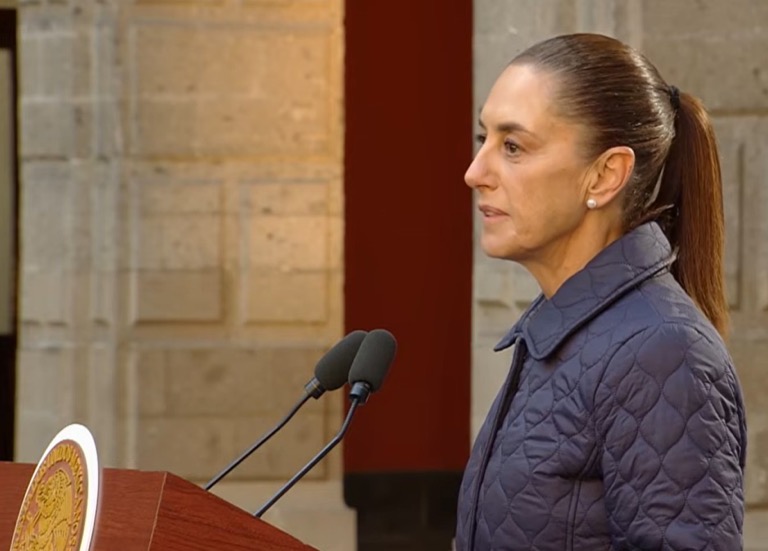
Sheinbaum Celebrates Mexican-American Victories in California and Texas
President Claudia Sheinbaum Pardo celebrated the election of Xavier Becerra as governor of California and Gina Hinojosa as governor of Texas, and stressed that both victories reflect the presence of Mexican-American people in U.S. political life.
U.S. Elections Are Key to Mexico's Strategy, UNAM Experts Say
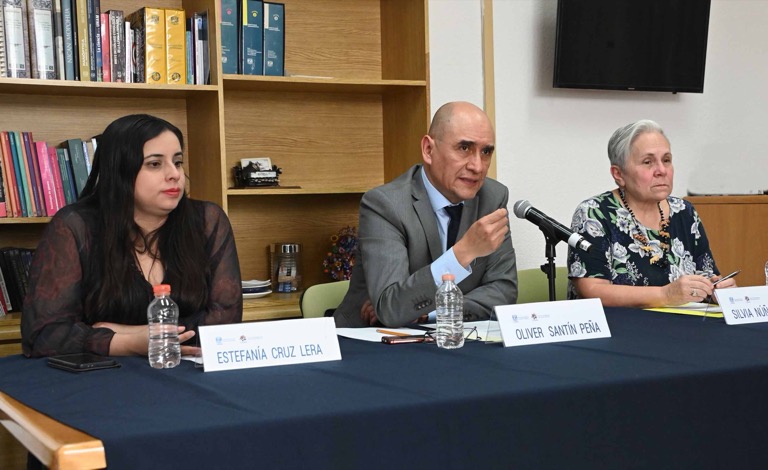
Mexico should maintain a long-term strategy and strengthen its ties with both Republicans and Democrats, regardless of the outcome of the U.S. midterm elections on November 3, specialists from the Center for Research on North America (CISAN) at the National Autonomous University of Mexico (UNAM) said.
Brazil elected Lula and ignited hope against the far right
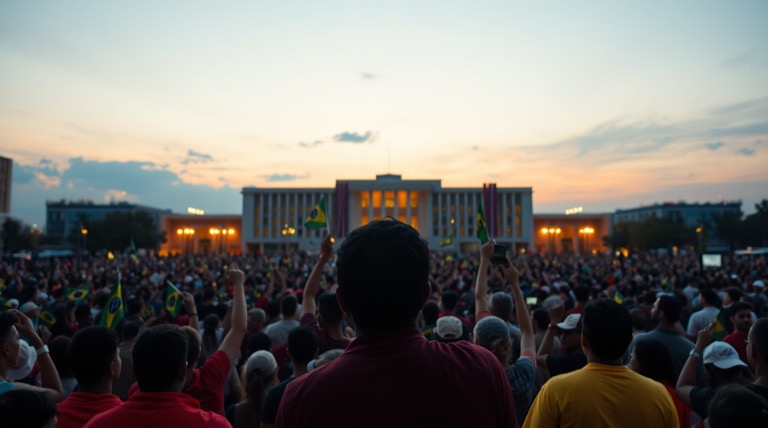
Brazil elected Lula, and with that a moment of hope opens for those who feared the advance of the far right.