Mexican musician Victor Pichardo receives the highest honor in traditional music in the US
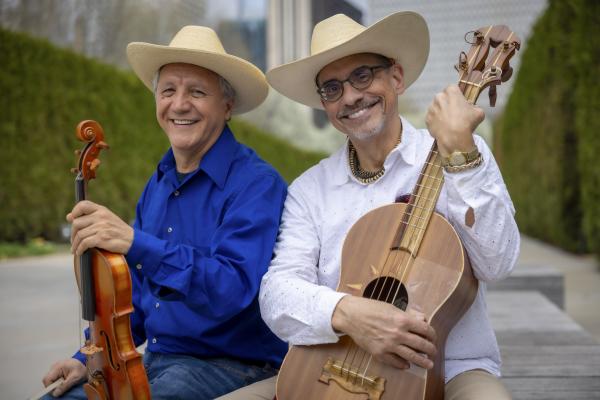
Mexican musician Victor Pichardo receives the highest honor in traditional music in the US
The Mexico City-born musician Victor Pichardo, together with Juan Díes, received the 2026 National Heritage Fellowship from the National Endowment for the Arts (NEA), considered the country's highest distinction for folk and traditional arts.
The recognition celebrates more than three decades of work to preserve, perform and teach Mexican son, a tradition that brings together regional expressions such as huapango, gustos, chilenas and son jarocho.
In 1994, Pichardo and Díes co-founded Sones de México Ensemble, a nonprofit organization born in Chicago's Pilsen neighborhood to bring traditional Mexican music to stages, schools and community spaces.
The music the ensemble performs draws on knowledge passed down from generation to generation and connects audiences with different regions of Mexico; for Pichardo, that learning began orally, directly from musicians who mastered local styles.
His career combines performance, composition and teaching, as he has devoted more than 45 years to Mexican folk music and more than 35 to sharing it with students and communities in Mexico and the United States.
In Chicago he has taught mariachi in schools for 25 years and, since 2022, has worked as an artist in residence at the Institute for Latino Studies at the University of Notre Dame, where he teaches courses and directs and accompanies Mariachi ND.
Pichardo also studied music composition at Columbia College Chicago, where he earned his degree in 2005, and has incorporated elements of traditional Mexican music into works for orchestra.
His compositions include the cantata Revolucionarios, created to commemorate Mexico's bicentennial and premiered in both Mexico and the United States.
With Sones de México, his work has reached major cultural venues, including Carnegie Hall, the Kennedy Center and the Smithsonian Folklife Festival, as well as schools and educational programs in various communities.
The ensemble has released six albums and earned Grammy and Latin Grammy nominations for Esta Tierra Es Tuya, a production the group described as a statement about the migrant experience.
Teaching occupies a central place in that project: through the Mexican Music School, workshops, residencies and classes for children and adults, Sones de México links music learning with the country's history, geography and culture.
The fellowship recognizes precisely that sustained work to keep a tradition alive and make it part of American cultural life; the ceremony honoring the 2026 artists was held on September 30 at the Library of Congress in Washington.
For Pichardo, the award also represents recognition of a life dedicated to sharing Mexican music beyond its borders, while new generations learn its rhythms, instruments and stories and bring them into their own communities.
More from Culture
All stories →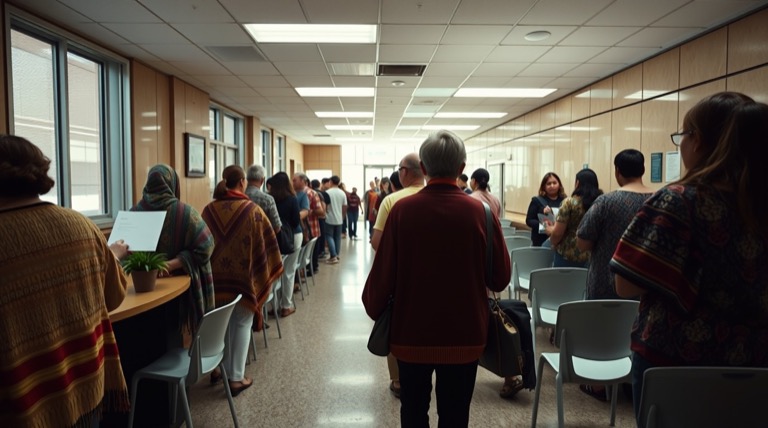
Mexican Foreign Service accepts Indigenous languages for the first time to strengthen consular services in the United States
The Ministry of Foreign Affairs (SRE) opened the Mexican Foreign Service entrance competition for the first time to those who speak an Indigenous language, in order to strengthen support for Mexican nationals in the United States, where close to 40 million people of Mexican origin live, according to the EFE news agency.
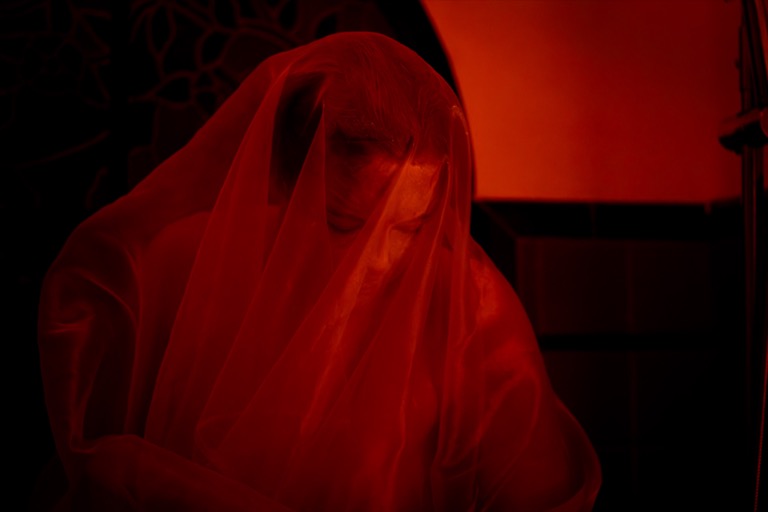
"A feminine ritual": Pollen confronts grief at WOMB Mexico
The work of Erawa and Joui is seed and womb of powerful artistic experiences
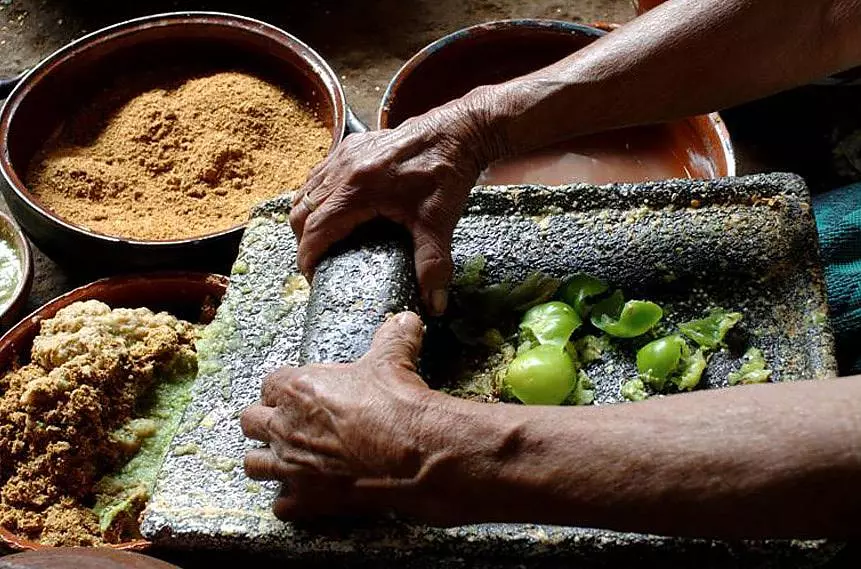
From Corn to the Hearth: 16 Years of Mexican Cuisine as Intangible Cultural Heritage of Humanity
On November 16, 2010, UNESCO inscribed traditional Mexican cuisine on its Representative List of the Intangible Cultural Heritage of Humanity. The distinction recognized a living culture that begins in the…