Mexico Estimate Economic Growth Between 1.5% and 2.3% in 2025 Despite IMF Projections
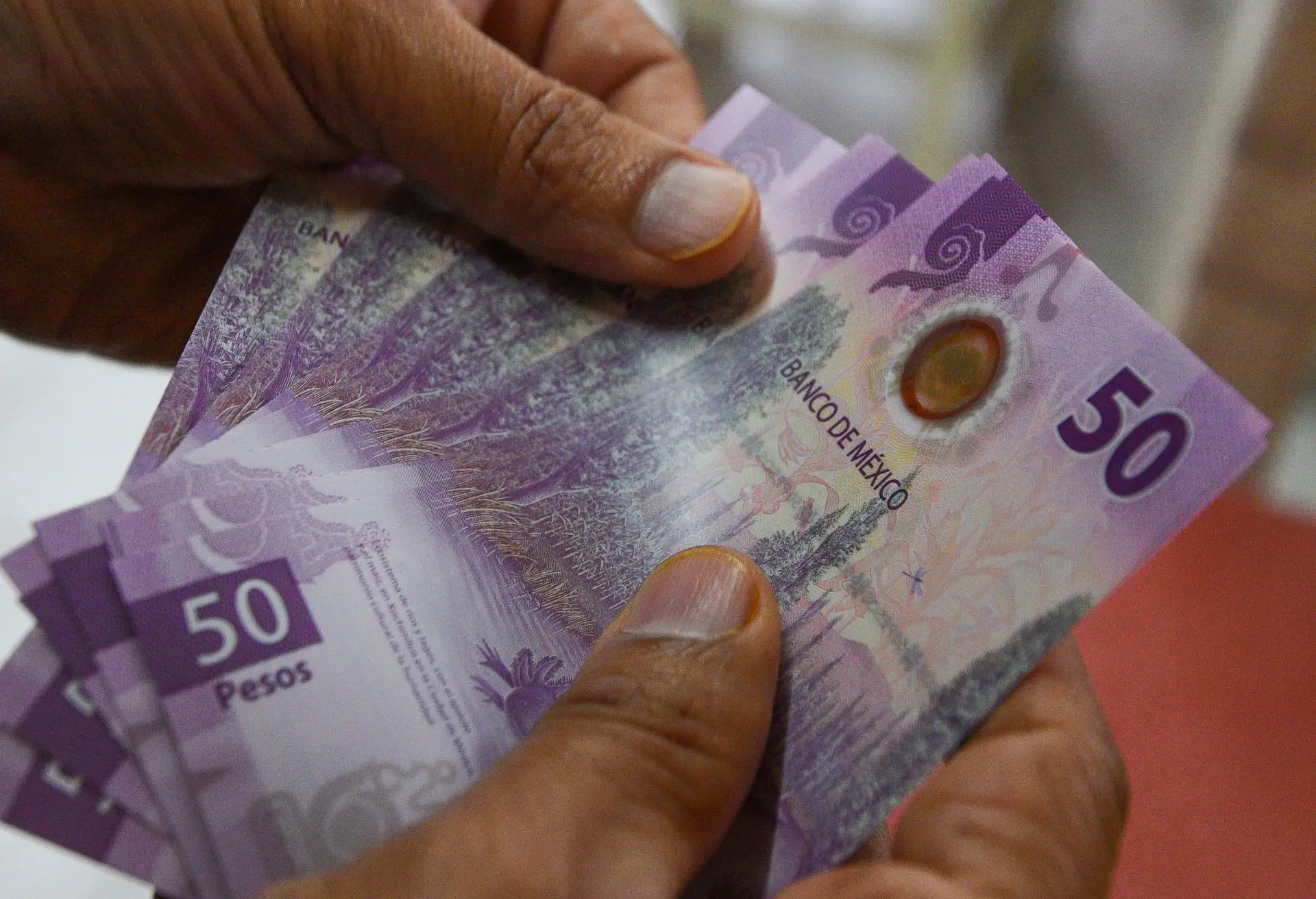
The Ministry of Finance and Public Credit (SHCP) said that despite the projections from the International Monetary Fund, Mexico’s economy is expected to grow between 1.5% and 2.3% in 2025, and up to 2.5% in 2026.
While the international financial organization indicated on Tuesday in its updated World Economic Outlook (WEO) report that Mexico will face a contraction of -0.3% in 2025 (previously projected at 1.4% growth) and could post 1.4% growth in 2026 (previously 2.0%), due to the possible impact of tariffs and uncertainty in the United States, the Mexican government remains optimistic, citing its strong economic policies.
The SHCP highlighted the preferential conditions Mexico has secured in trade negotiations with the United States, which, it said, give the country a competitive advantage over other economies.
It also pointed out that the Mexican economy maintains strong fundamentals, including low and controlled inflation, along with the renewal of the Anti-Inflation and Cost-of-Living Increase Package (PACIC). As of March, 227,000 formal jobs have been created, with additional support provided through the national job market and the social program Youth Building the Future.
Other positive indicators include an unemployment rate below 3%, a 7.1% increase in real wages, and social programs expected to continue boosting consumption and protecting the most vulnerable sectors of society, as more than 30 million people receive direct financial support.
The Mexican government, led by President Claudia Sheinbaum, announced plans to support micro, small, and medium-sized enterprises (MSMEs) with bank financing.
In 2025, key actions include stabilizing gasoline prices, implementing the National Housing Program, launching public work projects ahead of schedule (such as roads, water systems, trains, and airports), and promoting 15 economic and social development strategies aimed at boosting investment in strategic areas for the country’s development (well-being zones).
In the mid-term, the government also believes that the Mexico Plan will strengthen the domestic market, boost national production, and reduce dependence on imports from outside the Mexico–U.S.–Canada Agreement (USMCA).
Related: Volvo commits to increasing its investment in Mexico despite Trump’s vehicle tariffs
More from Economy
All stories →
Mexico Senate raises 2027 tourist entry fee to 1,158 pesos
Mexico's Senate approved a 17.8% rise in the foreign tourist fee to 1,158 pesos for 2027, part of a budget package allowing 1.7 trillion pesos in borrowing.
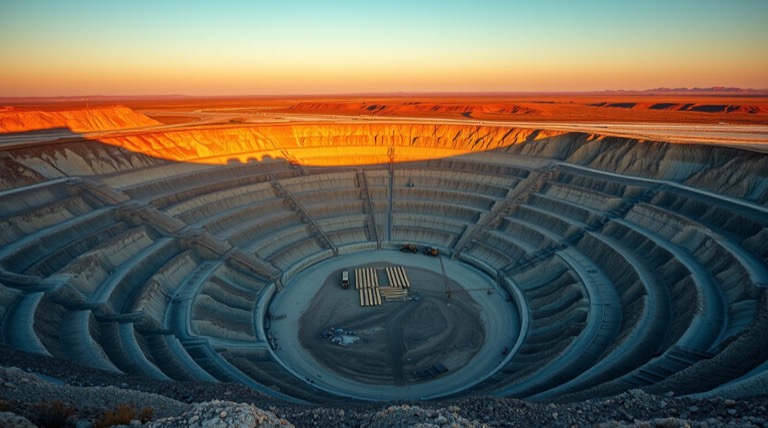
Grupo México plans $4 billion to $6 billion expansion at US copper unit Asarco
Grupo México will invest $4 billion to $6 billion over three years to expand Asarco's Arizona copper mines and restart the Hayden smelter and refinery.
The investment that anticipates growth
A 9% increase in investment says more than the figure suggests. In economics, some indicators describe what has already happened and others anticipate what is to come; investment belongs to the second group and is the best indicator of sustained growth.