Mexico Arrives at COP31 with a Broader Climate Roadmap
Mexico will arrive at COP31 with an agenda that broadens the climate debate beyond cutting emissions: it includes adaptation, loss and damage, a just transition and ecosystem conservation. The task now is to turn those commitments into policies, resources and results that improve people's lives in communities.
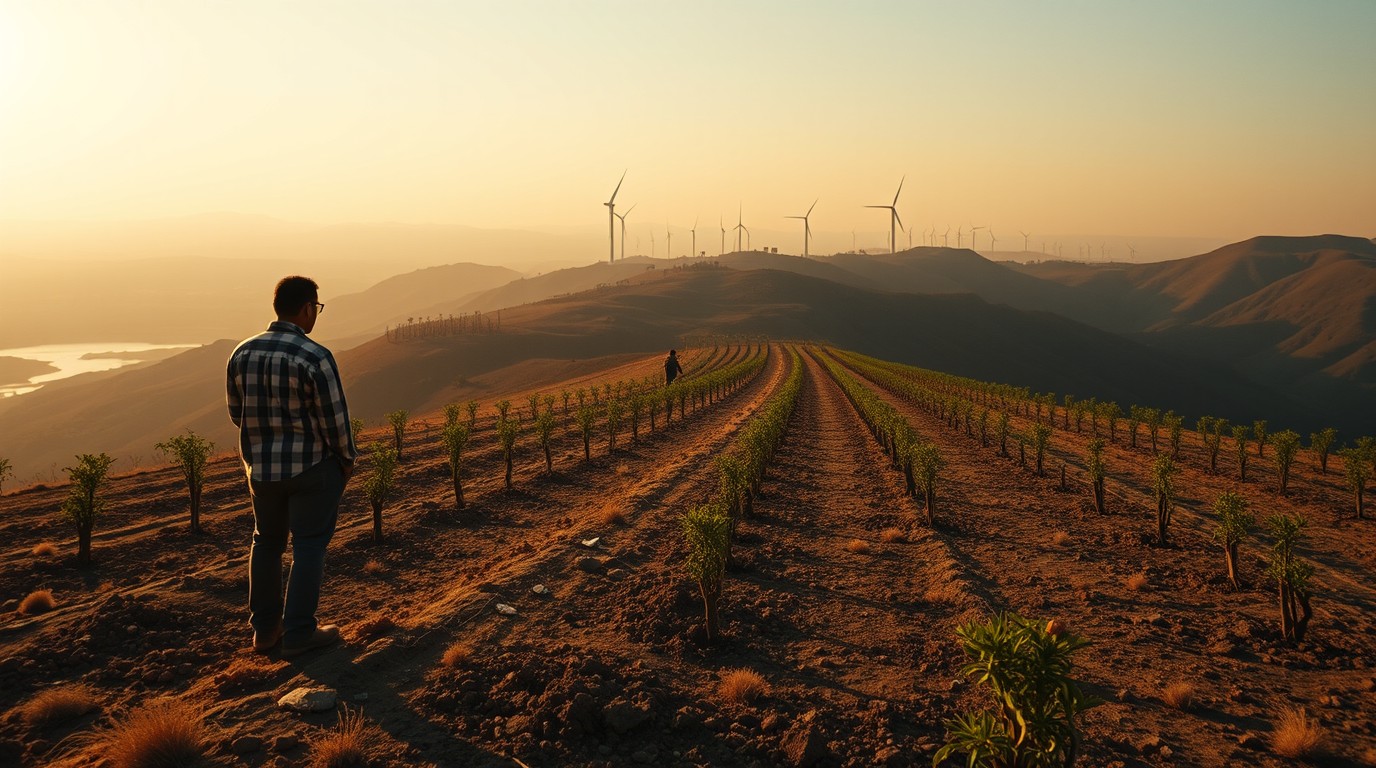
The conference will be held from November 9 to 20 in Antalya, Turkey. For Mexico, it will be an opportunity to show that its new commitments can translate into concrete action and to champion a regional agenda that puts the countries most exposed to the effects of global warming at the center.
The clearest advance is in the Nationally Determined Contribution, known as NDC 3.0, presented by Mexico during COP30 in Brazil. For the first time, the country set an absolute net emissions target for 2035, with a range of between 364 and 404 million tons of carbon dioxide equivalent without conditions, and a more ambitious target (332 to 363 million) if it receives sufficient financing, technology and international cooperation.
The new roadmap also strengthens the adaptation component, adds a section on loss and damage, and sets out measures to address climate impacts on the population, water, productive systems, biodiversity and infrastructure. Mexico also announced that it is working on a National Adaptation Policy, a necessary tool so that preparation for droughts, floods, heat waves and other risks does not depend only on emergency responses.
That approach matters especially for Latin America, a region of great natural wealth and high climate vulnerability. Brazil, for example, committed to reducing its emissions by between 59 and 67 percent for 2035 compared with 2005; Colombia also set its own targets for that year. The figures cannot be compared as if they were a competition, because they use different baselines and scopes, but they show that the region is updating its commitments and can gain weight if it acts in a coordinated way.
Mexico has reasons to present that agenda with confidence: NDC 3.0 integrates mitigation and adaptation with social justice, energy transition and conservation, and recognizes that tackling the climate crisis requires protecting both communities and ecosystems. The Government has also proposed conserving 30 percent of the territory by 2030 and restoring strategic ecosystems, goals that require continuity, financing and public measurements so that the promise can be evaluated.
More from Environment
All stories →
Mexican Detector Seeks to Make History at the Large Hadron Collider
A particle detector developed under Mexican leadership could become part of ALICE 3, the next-generation experiment expected to operate at CERN’s Large Hadron Collider beginning in 2036.
Mexico Bans Imports of Vehicles That Don’t Meet Environmental Standards
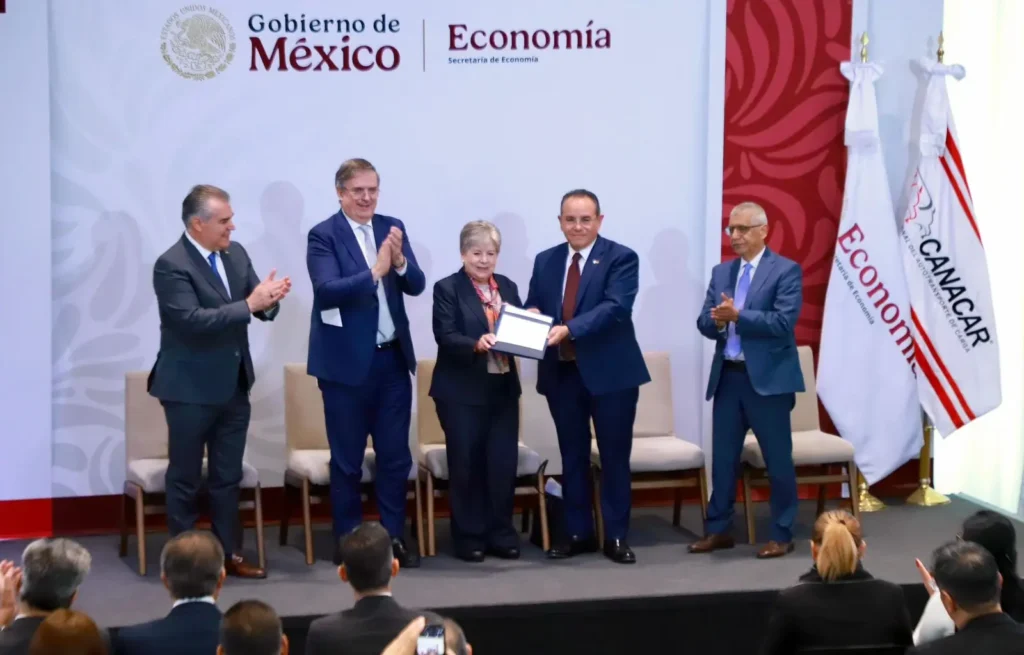
The Ministry of Environment and Natural Resources (Semarnat) and the Ministry of Economy announced an agreement prohibiting imports of vehicles that fail to comply with Mexico’s environmental regulations.

EU and Mexico strengthen cooperation in clean energy and circular economy
This Tuesday, the European Commissioner for International Partnerships Jozef Síkela will visit Mexico to strengthen cooperation in clean energy, sustainable transportation, circular economy and green finance.