IPN Participates in NASA Space Mission with Microalga Spirulina Project
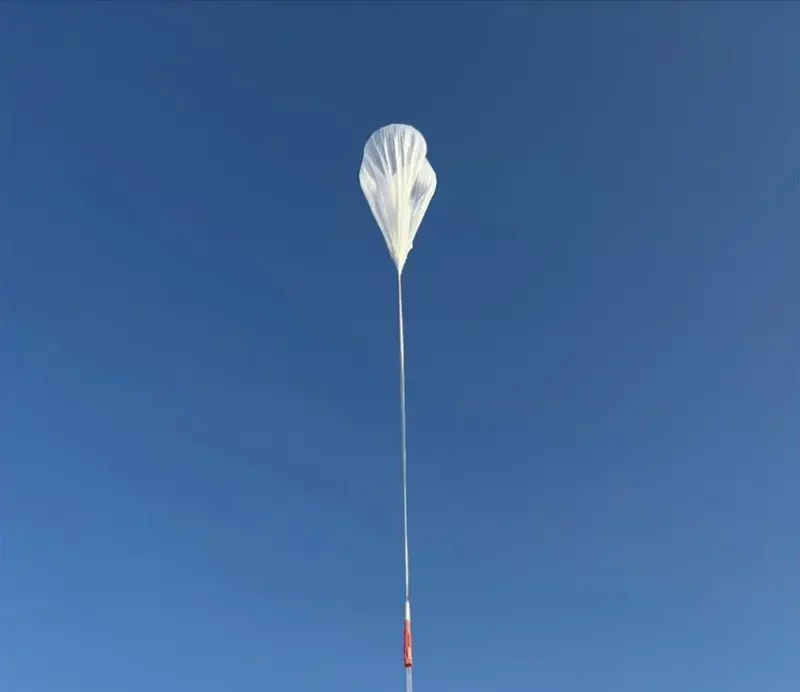
The National Polytechnic Institute (IPN) once again made its mark in the history of space science by taking part, for the seventh time, in a stratospheric mission as part of NASA’s Scientific Balloon Program.
The mission was launched from the Fort Sumner base in New Mexico, United States, with the STF platform, which carried the seventh version of the experimental module for the interative design of satellite subsystems, known as emidss-7.
Weighing 780 kilograms, the equipment will validate sensors designed to measure the internal temperature of electronic devices and near-space air, barometric pressure, humidity, ultraviolet radiation, among other variables. It will also test the Cubesat satellite, tasked with recording environmental data and capturing images of space.
Project “Tecuitlatl”: Innovation from Zacatecas
For this mission, experts and students from the Interdisciplinary Professional Unit of Engineering (UPIIZ), Zacatecas campus, joined the effort with “Tecuitlatl”, a mini photobioreactor designed for the cultivation and study of the behavior of the microalga spirulina under near-space conditions.
Dr. Mario Alberto Mendoza Bárcenas, IPN researcher and project leader, explained that the mission was launched at 07:30 a.m., and according to the flight plan, it is expected to reach an altitude of approximately 36.5 kilometers, with a duration of about eight hours.
“These types of experiments allow us to validate technologies, obtain first-hand information, and generate knowledge that will contribute to the development of future satellites and space applications,” said Mendoza Bárcenas.
With this participation, the IPN reaffirms its role as a pioneering institution in Mexico’s scientific and technological development, strengthening international collaboration with NASA and consolidating its expertise in the aerospace field.
The “Tecuitlatl” project not only represents progress in satellite research, but also contributes to biotechnology applied to space exploration, by evaluating the behavior of living organisms such as spirulina in extreme conditions.
Related: Binational Mexico–U.S. Program Achieves Rescue of California Condors
More from Environment
All stories →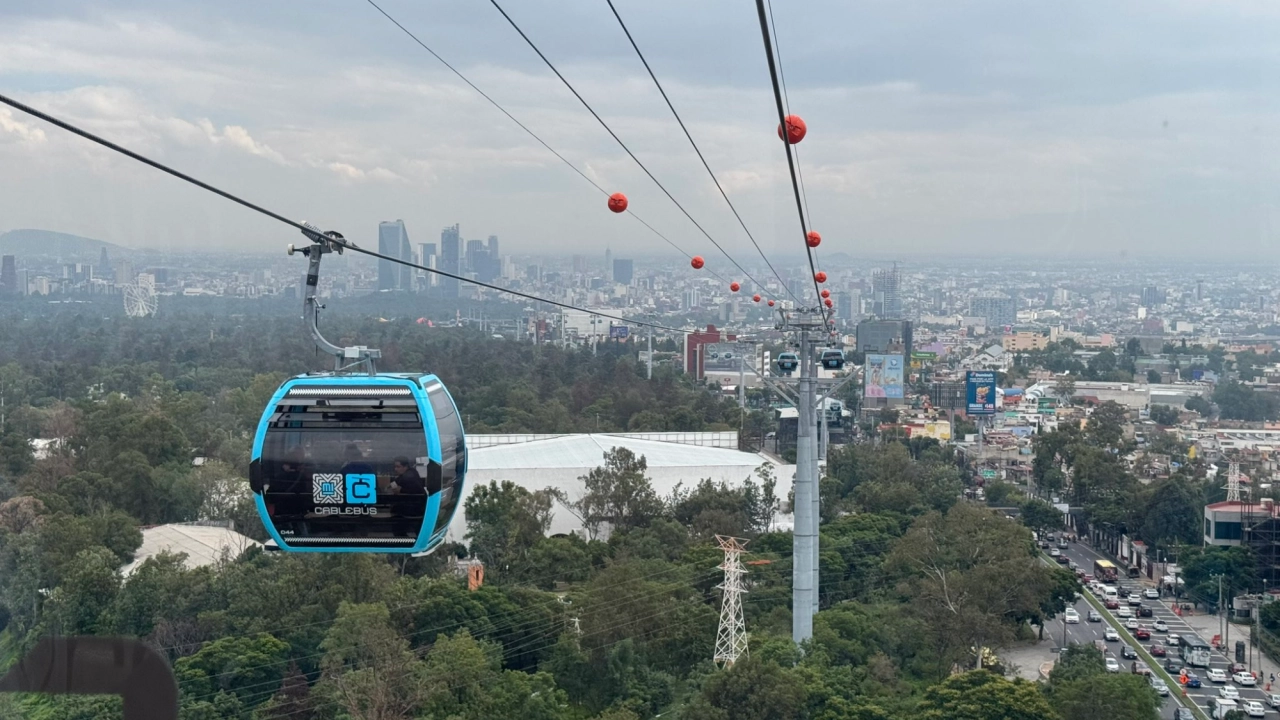
Cablebús against "time poverty"
Three new lines for the outskirts of Mexico City
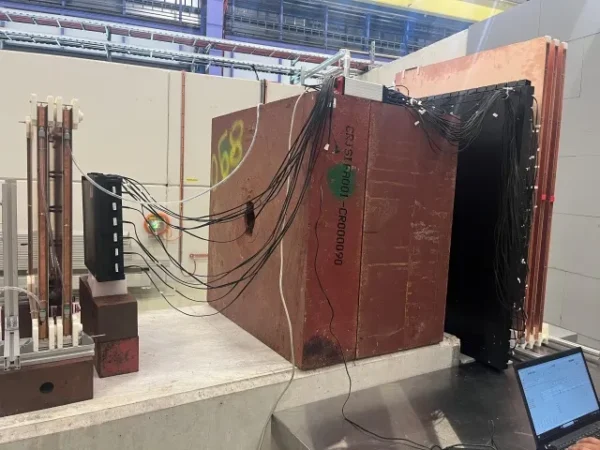
Mexican Detector Seeks to Make History at the Large Hadron Collider
A particle detector developed under Mexican leadership could become part of ALICE 3, the next-generation experiment expected to operate at CERN’s Large Hadron Collider beginning in 2036.
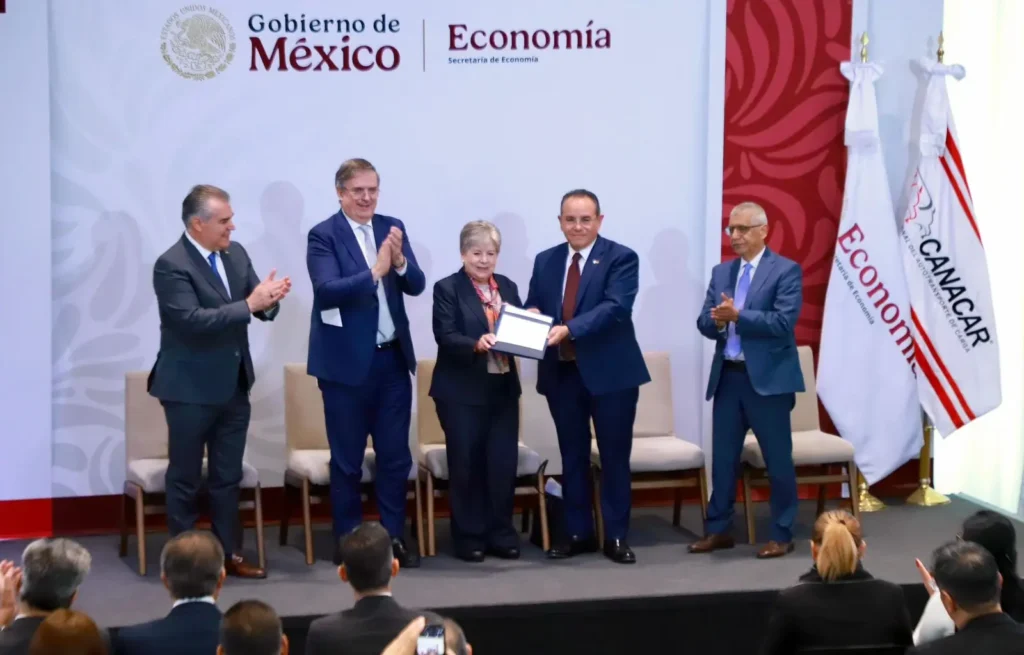
Mexico Bans Imports of Vehicles That Don’t Meet Environmental Standards
The Ministry of Environment and Natural Resources (Semarnat) and the Ministry of Economy announced an agreement prohibiting imports of vehicles that fail to comply with Mexico’s environmental regulations.