"No Sabo", but with a voice and a vote: young Latinos weigh in on the U.S. midterms
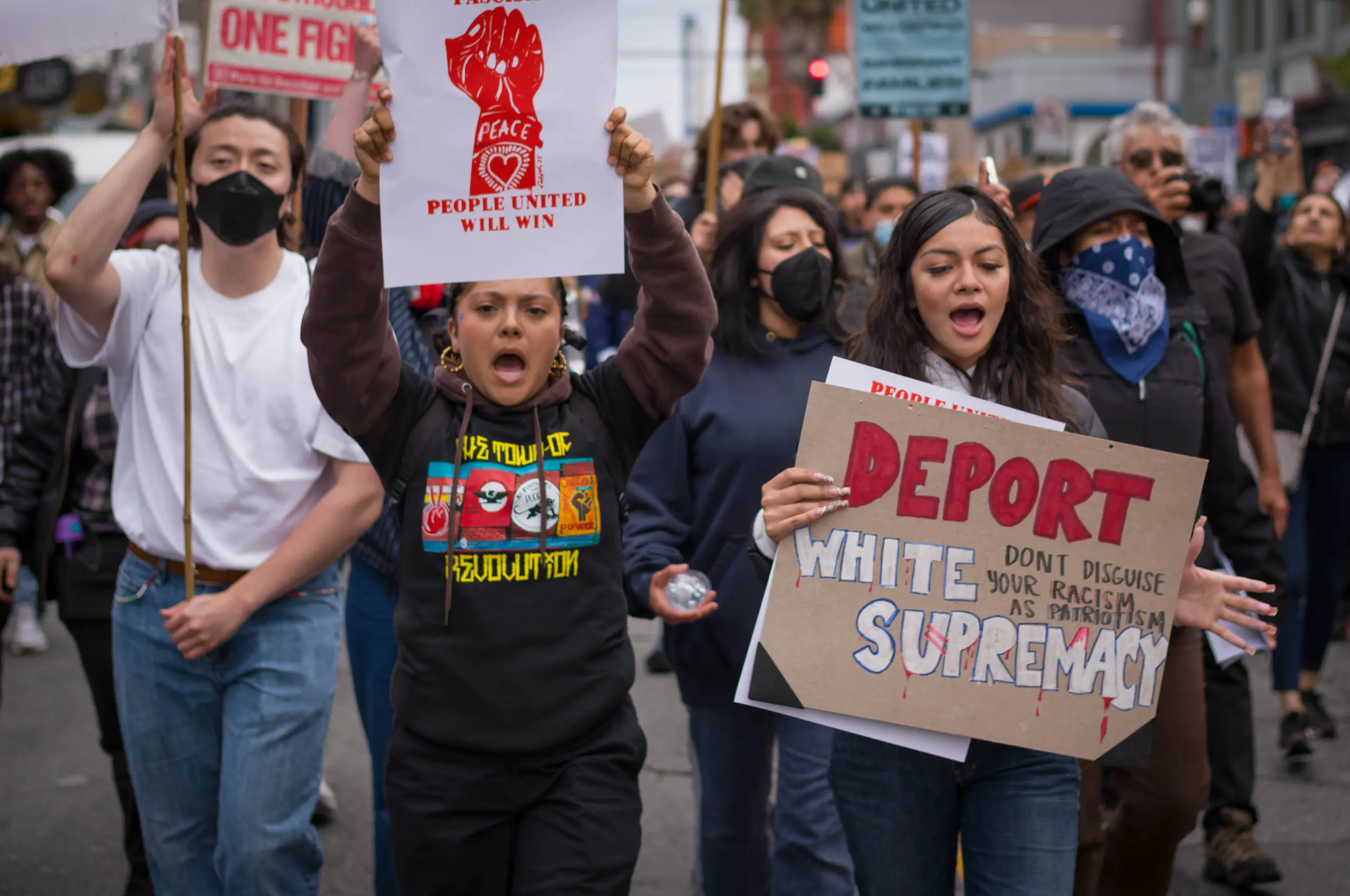
Young Latinos were a visible force in the U.S. midterm elections on November 3: post-election polls record majority support for Democratic candidates among Latino voters under 30 and a level of participation that helped define key races, from Texas to California.
The CNN Voter Poll estimated that 74 percent of Latinos aged 18 to 29 backed Democratic candidates for the House of Representatives, compared with 18 percent who voted Republican; among those aged 18 to 24, the gap was 84 to 14 percent. In Texas, 80 percent of voters under 30 backed Democrat Gina Hinojosa for governor, while in California 82 percent of young Latino voters supported Xavier Becerra.
Other measurements confirm the youth shift, though they offer different figures because of their methods and samples: CIRCLE, at Tufts University, calculated that 71 percent of young Latinos voted for Democratic House candidates, while the AP survey found that about seven in ten voters under 30 supported Democrats in that national race. About one in ten voters nationwide was under 30, so the group's weight also depended on where it was concentrated and how competitive each election was.
The nickname "No Sabo" became popular to describe young Latinos, the children of immigrants, who do not have a command of Spanish, and although it is neither a Census category nor an electoral identity measured in polls, it was a decisive group in these elections.
Pew Research Center figures on Spanish and Latino identity help explain the cultural dimension of the label: 24 percent of Latino adults say they speak Spanish a little or not at all, and that proportion reaches about two-thirds among those in the third generation or later; at the same time, 78 percent believe it is not necessary to speak Spanish to be Latino. Half of Latinos aged 18 to 29 who do not speak Spanish well said they often hear jokes or comments about that lack of fluency.
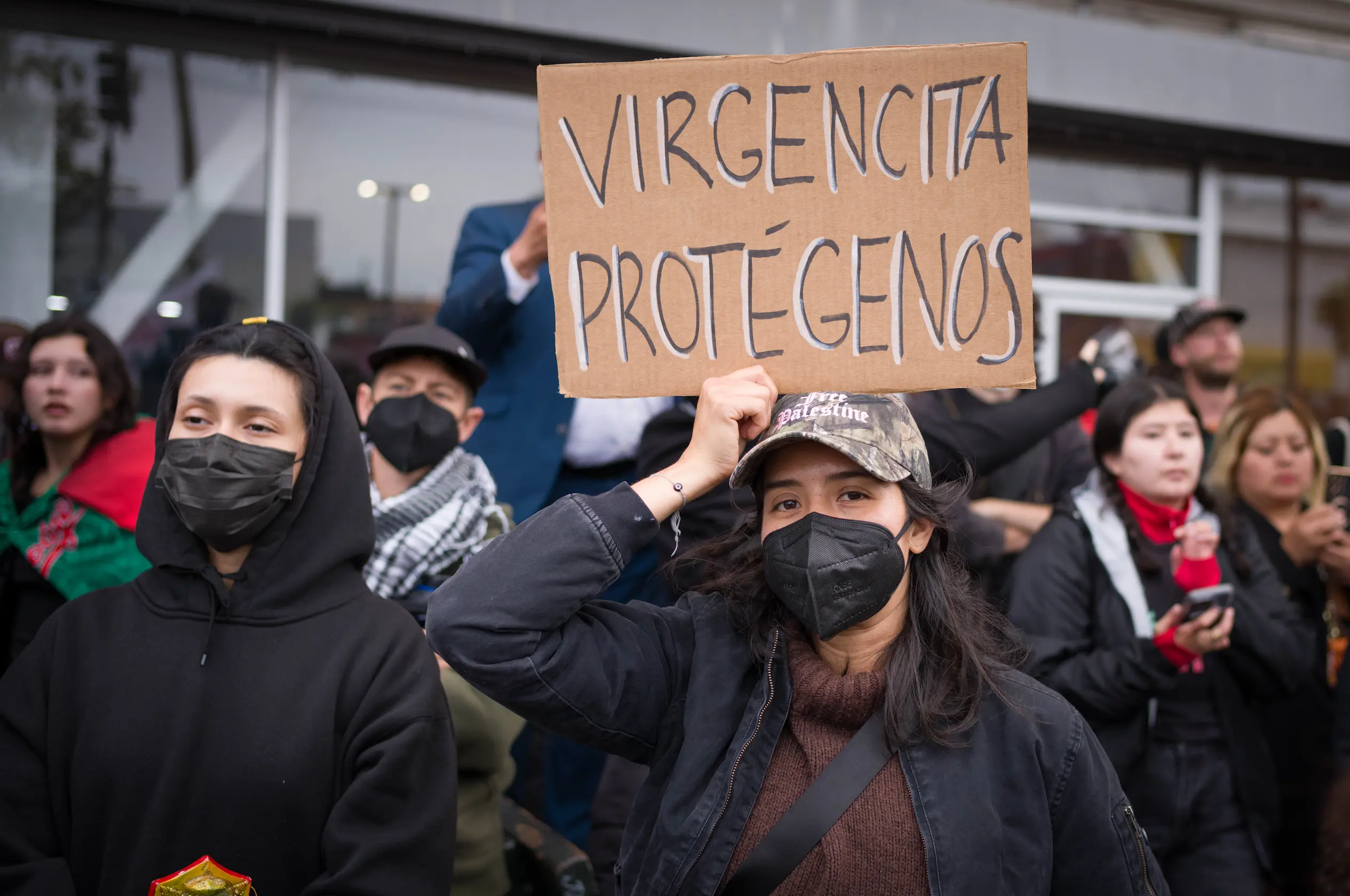
The size of the generation also matters: more than four million U.S.-born Latinos turned 18 between the 2022 midterms and the 2026 midterms, and 30 percent of Latinos eligible to vote are between 18 and 29, compared with 20 percent of the general electorate, according to Pew's demographic analysis. CIRCLE calculates that some 10.8 million young Latinos could vote this year, according to its youth electorate projection, although being old enough to vote does not mean being registered or going to the polls.
The economy topped young people's concerns overall: 52 percent mentioned jobs and the economy among their top three issues, and 26 percent included immigration, according to CIRCLE's post-election analysis of the youth vote; among Latino voters of all ages, UnidosUS and the Latino Community Foundation found that the cost of living and rejection of excesses in immigration enforcement were central reasons for turning out to vote. These measurements describe different groups and do not prove that all young Latinos voted for the same reasons.
CNN's coverage gathered testimony from young people who mobilized, voted early and encouraged their families to take part; it also reported that, in Texas, some 645,000 people who had not voted in 2024 did so this time by voting early, nearly half of them Hispanic, although that figure does not identify how many were young.
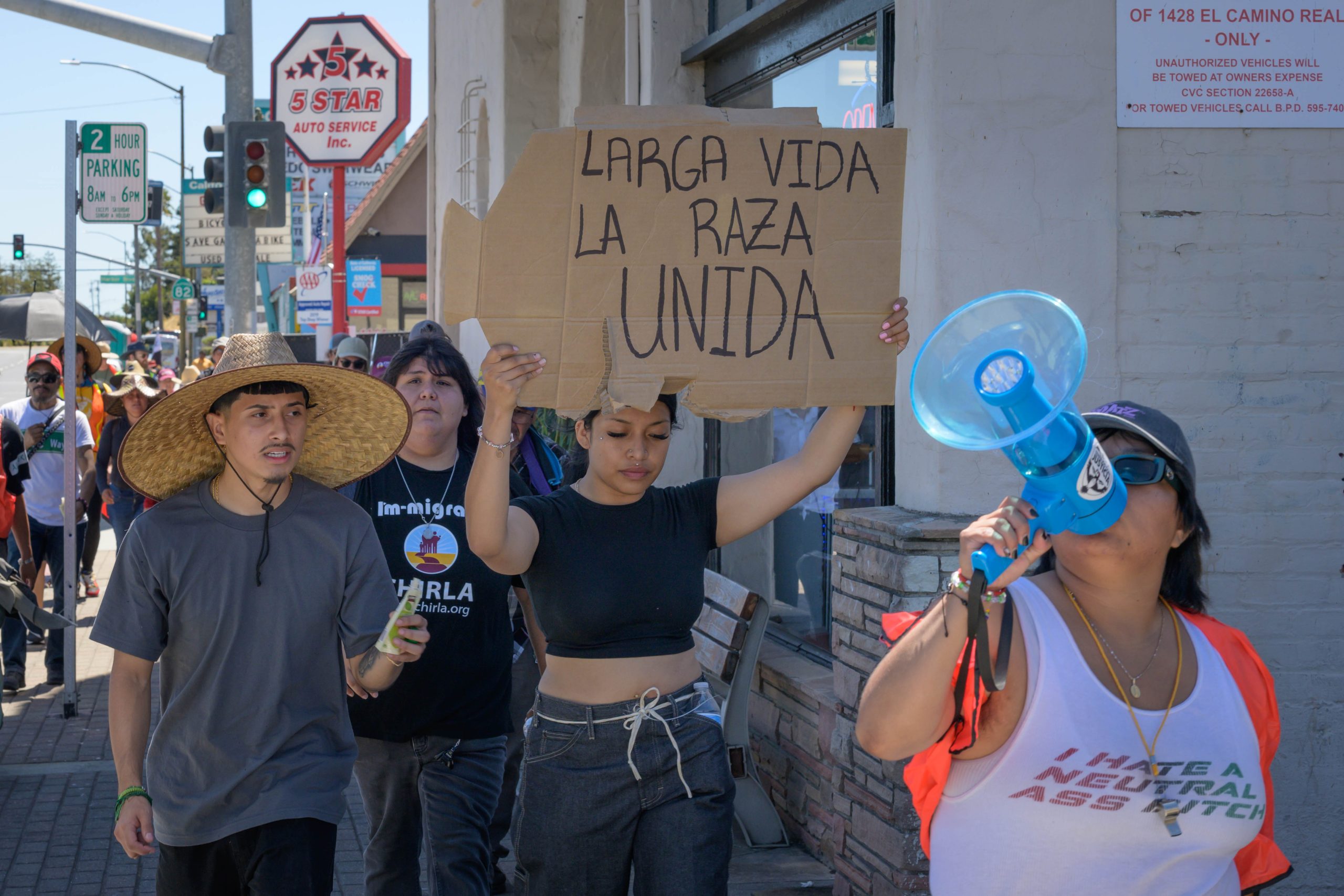
The result allows us to speak of a generation that carried significant electoral weight. And while these "No Sabo" voters did not decide the elections on their own, the analyses show that young Latinos strongly backed Democratic candidates in decisive races and that the parties can no longer treat their vote as an automatic extension of their parents' vote, nor assume that language defines their identity or their participation.
More from Culture
All stories →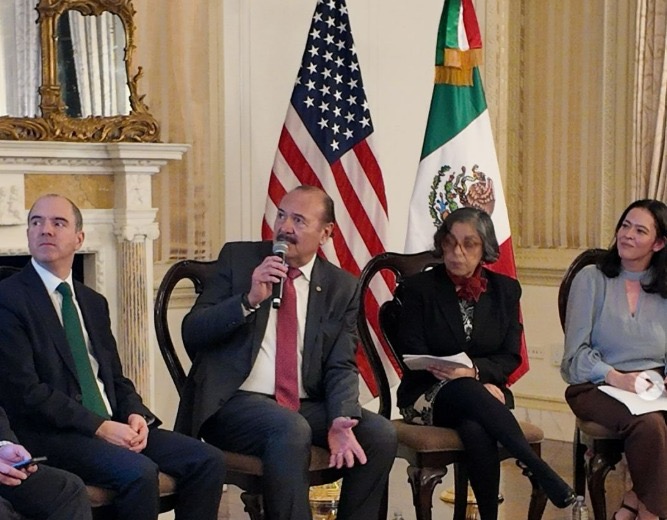
Mexico and New York Look to the Future from Two Centuries of Consular History
The Consulate General of Mexico in New York marked its 200th anniversary with a panel discussion on the history and prospects of the economic and cultural relationship between Mexico and the Big Apple, held in collaboration with Americas Society/Council of the Americas (AS/COA).
Mexican Foreign Service accepts Indigenous languages for the first time to strengthen consular services in the United States
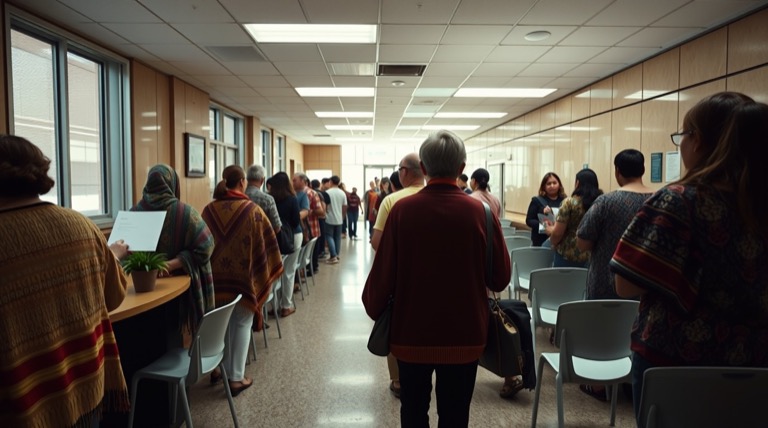
The Ministry of Foreign Affairs (SRE) opened the Mexican Foreign Service entrance competition for the first time to those who speak an Indigenous language, in order to strengthen support for Mexican nationals in the United States, where close to 40 million people of Mexican origin live, according to the EFE news agency.

"A feminine ritual": Pollen confronts grief at WOMB Mexico
The work of Erawa and Joui is seed and womb of powerful artistic experiences